7 Key Trends for Spirits Glass Bottles Reshaping the Global Liquor Packaging Market in 2026
Published: August 18, 2026
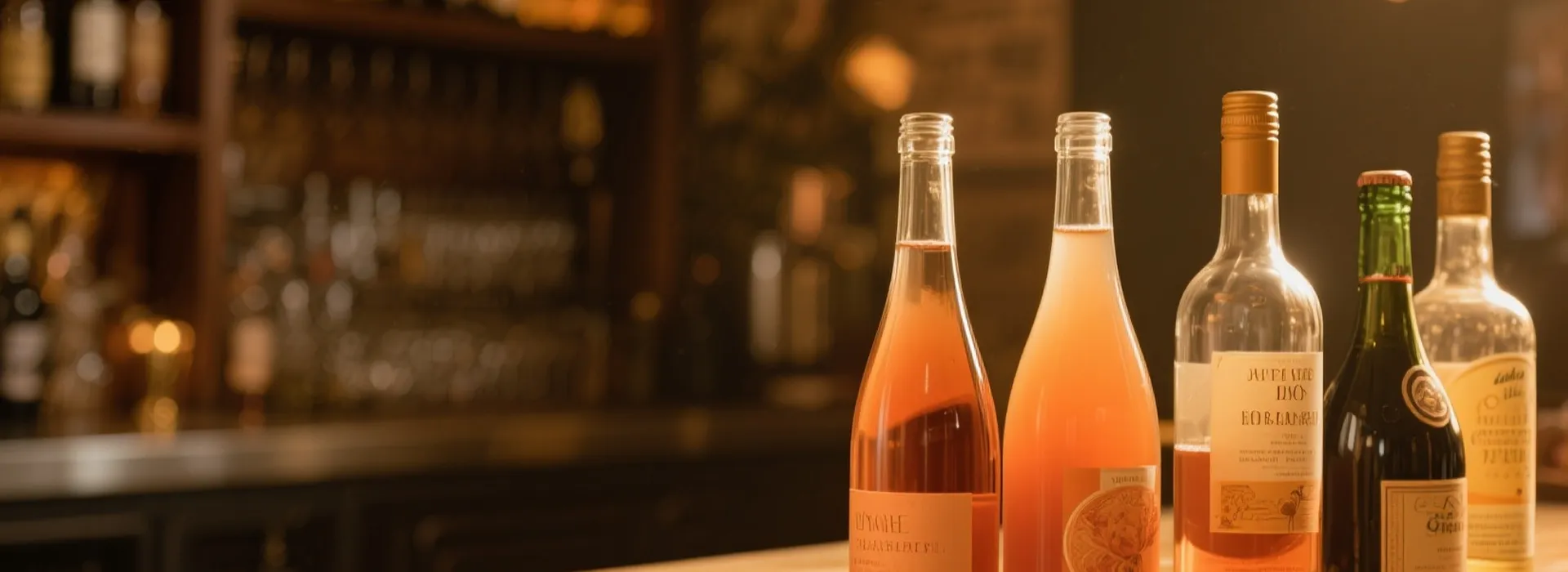
Spirits glass bottles have evolved from simple storage containers into one of the most powerful brand assets for distilleries, private label operators and international liquor exporters across every continent. As competition intensifies on retail shelves and e-commerce platforms, more alcohol brands are investing heavily in tailored spirits glass bottles to attract consumers, communicate brand value and meet rising global environmental standards. Industry analysts predict sustained growth for the spirits packaging sector, with demand for differentiated spirits glass bottles set to climb steadily through the next five years.
H2: 1. Custom-shaped Spirits Glass Bottles Replace Generic Stock Packaging
Standard straight-sided bottles are slowly losing market share to unique, mould-made spirits glass bottles. Craft distilleries, small-batch brandy producers and independent rum labels no longer want packaging that blends in with competitors. Custom embossing, curved silhouettes, thick heavy bases and asymmetric outlines help products stand out in duty-free shops, supermarket alcohol aisles and online product galleries.
Many glass manufacturers now offer affordable rapid prototyping services. Brands can test small batches of custom spirits glass bottles before committing to large minimum orders, lowering the risk for startup spirit companies. This accessibility explains why custom spirits glass bottle inquiries have surged over the past 12 months among buyers from Europe, Australia and North America.
H2: 2. Recycled Glass Materials Become Standard for Modern Spirits Glass Bottles
Sustainability requirements are reshaping raw material choices for spirits glass bottles. Governments across the EU, UK and Canada continue introducing stricter packaging carbon rules, pushing liquor brands to switch to glass manufactured with high recycled cullet content.
Consumers also reward eco-friendly packaging. Multiple consumer surveys confirm buyers are more willing to purchase spirits packaged in recycled spirits glass bottles when brands clearly communicate their green manufacturing choices. Unlike plastic alternatives, glass can be recycled infinitely without quality loss, making spirits glass bottles the preferred sustainable packaging choice for premium distilled drinks.
H2: 3. Lightweight Spirits Glass Bottles Cut Logistics Costs and Carbon Footprint
H3: Shipping and Supply Chain Benefits
One fast-growing innovation is lightweight spirits glass bottles. Traditional heavy glass increases sea freight expenses and raises overall carbon emissions during transportation. Updated glass production technology allows manufacturers to produce thinner-walled spirits glass bottles that remain durable enough for global export shipping.
Large multinational spirit groups have already rolled out lightweight spirits glass bottles across their core whiskey and gin product ranges. Mid-sized and emerging brands are following this shift to reduce operational costs while meeting ESG corporate goals.
H2: 4. Mini-sized Spirits Glass Bottles Drive Sampling and Gift Set Demand
Small-format spirits glass bottles (100ml, 200ml, 375ml) are a major growth segment. Mini spirits glass bottles serve three profitable use cases:
- Product sampling for new spirit launches
- Luxury gift bundle combinations
- Single-serve consumption for hospitality, camping and travel markets
Distributors report strong repeat orders for miniature spirits glass bottles, especially for limited-edition brandy, tequila and vodka releases.
H2: 5. Surface Decoration Options Expand for Spirits Glass Bottles
To further improve visual appeal, factories now provide multiple decoration techniques for spirits glass bottles: frosted finish, silk-screen printing, hot stamping, spray colour coating and laser engraving. These custom finishes eliminate the need for excessive paper packaging and let spirits glass bottles carry branding directly.
Minimalist design remains popular. Many modern brands select clear high-white spirits glass bottles with subtle single-colour printing instead of busy patterns, letting the natural amber tone of whiskey or brandy become the main visual feature.
H2: 6. Strict Global Compliance Rules Affect Spirits Glass Bottle Production
Importers purchasing spirits glass bottles for cross-border sales must comply with international food contact safety standards. Raw glass composition, lead content testing and leak-proof closure matching are critical checks before bulk shipment.
Reputable glass suppliers provide full test documentation for spirits glass bottles, supporting customers importing goods into the United States, EU member states and Southeast Asia. Buyers are advised to confirm certification documents during sample evaluation to avoid customs delays.
H2: 7. Direct Factory Partnerships Simplify Sourcing Spirits Glass Bottles
More international buyers choose to cooperate directly with glass bottle manufacturers rather than middlemen. Direct partnerships allow flexible adjustment of spirits glass bottle dimensions, caps and decoration details, plus shorter lead times for urgent seasonal orders.
Qualified suppliers can offer combined services: sample production, custom mould development, decoration assembly and export-ready pallet packing. This all-in-one model streamlines the whole procurement process for liquor brand operators.
H2: Outlook for Spirits Glass Bottles in the Coming Years
The market for spirits glass bottles will keep advancing along three clear directions: personalised customisation, eco-friendly raw materials and optimised lightweight structures. Brands that plan their packaging strategy early can gain long-term advantages in crowded global spirits markets.
Manufacturers continue investing in production upgrades to support faster sampling, lower minimum order quantities and consistent quality control for exported spirits glass bottles. As new craft spirit brands launch worldwide, demand for creative, high-quality spirits glass bottles will maintain positive growth.



 14:32
14:32 