7 Key Trends For Premium Spirits Glass Bottles Shaping 2026 Global Liquor Packaging
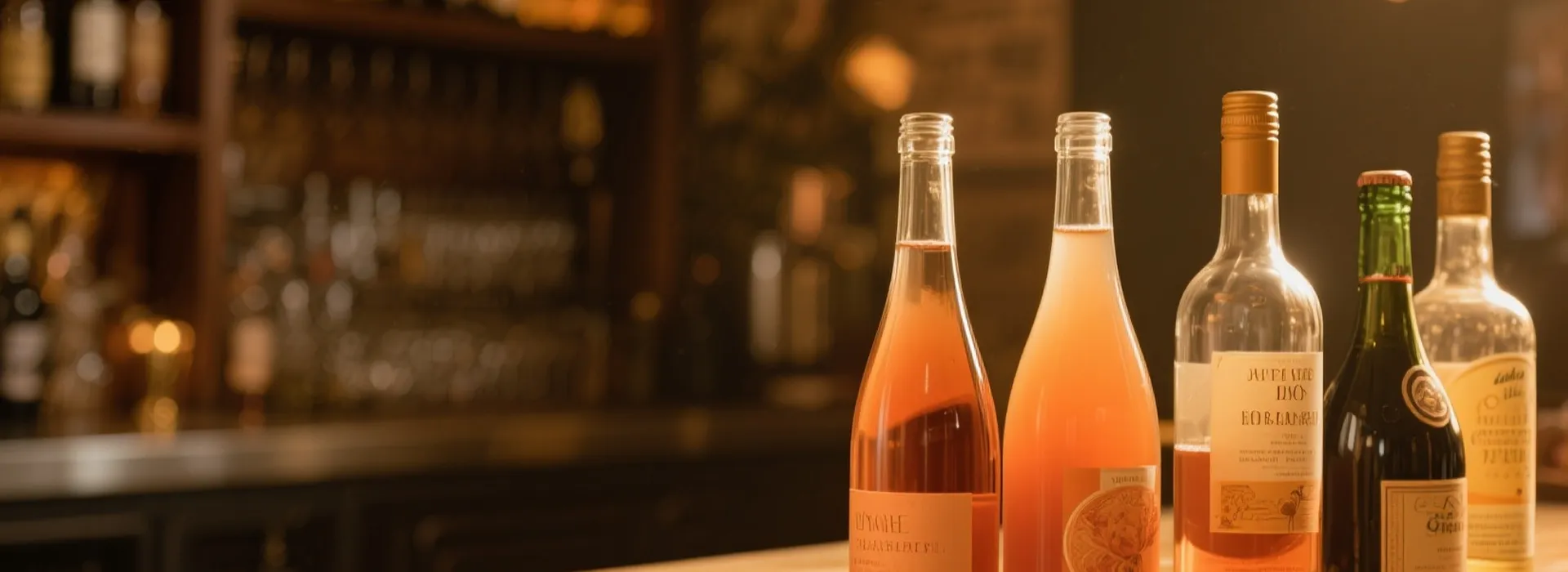
(Image alt text: premium spirits glass bottles with custom embossed texture for whisky, brandy and rum)
The global beverage market is rapidly shifting, and premium spirits glass bottles have become far more than simple containers for brandy, rum, whisky and vodka. For liquor brand owners, importers and packaging buyers, bottle design, material quality and sustainable features directly affect shelf performance, consumer perception and overall brand value in 2026.
Consumers today judge premium spirits before tasting the liquid inside. Weight, transparency, shape and surface finishing of premium spirits glass bottles drive purchase decisions in retail stores, duty‑free shops and e‑commerce channels. This article breaks down seven dominant trends changing the spirits glass bottle industry this year.
H2|1. Higher Recycled PCR Glass Content For Premium Spirits Glass Bottles
Sustainability requirements are no longer optional for international spirits brands. More importers request premium spirits glass bottles manufactured with post‑consumer recycled glass (PCR cullet).
Leading glass factories balance crystal clarity and eco‑specifications. Traditional recycled glass often brings faint green tint; modern high‑clarity PCR glass solves this pain point for high‑end liquor products. Major European spirits groups set targets: over 60% recycled material in their glass packaging before 2030Pernod Ric….
Buyers should confirm two points when sourcing: PCR percentage test reports and food‑grade safety certification for recycled glass.
H2|2. Tactile Embossing & Heavy‑Base Shapes Gain Market Share
Plain smooth glass can hardly attract shoppers on crowded supermarket shelves. Today’s popular premium spirits glass bottles focus heavily on touch experience.
H3|Embossed logos and geometric textures
Deep embossing, engraved patterns and thick heavy bottle bases deliver luxury feeling when customers hold the bottle. Craft distilleries strongly prefer custom‑molded bottles instead of off‑the‑stock standard shapes.
Market data shows custom‑shape bottle inquiries grew 40% among European clients in the past 12 months. Stock standard bottles work for low‑cost mass liquor; custom‑molded premium spirits glass bottles serve premium‑positioned brands.
H2|3. Small‑Batch OEM & Flexible MOQ For Craft Distillery Clients
Large minimum‑order quantities used to block small craft spirit brands from getting unique premium spirits glass bottles.
In 2026, many Asian glass manufacturers upgrade mold workshops to support flexible MOQ options. New quick‑prototyping techniques cut sampling lead‑time from 45 days down to 14‑20 days. This benefits small‑volume rum, brandy and gin producers who release limited‑edition spirit lines.
H2|4. Multi‑Decoration Combinations On Premium Spirits Glass Bottles
A single silk‑print logo is no longer enough. Brand owners mix multiple finishing processes on one bottle:
- Ceramic firing printing
- Frosted / matte sandblasted surface
- Hot‑stamping gold & silver metallic effect
- Partial UV coating
Different decoration combinations create totally different brand positioning. Matte frosted premium spirits glass bottles are widely used for modern vodka and tequila brands, while glossy high‑clear flint glass remains classic for aged brandy and cognac.
H2|5. Supply‑Chain Stability Becomes Core Sourcing Priority
After years of global logistics fluctuation, liquor importers now pay extra attention to factory full‑stack capacity.
Reliable suppliers complete mold development, glass melting, decoration, quality inspection and export packing in‑house. One‑stop production avoids quality inconsistency caused by multiple subcontractors, reducing defect rates for premium spirits glass bottles.
Key quality checks buyers cannot skip: bottle wall thickness uniformity, neck thread tolerance, annealing stress test, leak‑proof testing after decoration.
H2|6. Special Volume Sizes: 200ml, 375ml, 500ml Premium Spirits Glass Bottles
Besides classic 700ml /750ml full‑size bottles, non‑standard volumes grow fast.
These special‑volume premium spirits glass bottles require independent mold development, cannot simply cut down standard large‑bottle designs. Many new brand projects start with 200‑500ml sizes before launching full‑SKU 700‑750ml products.
H2|7. Anti‑Counterfeit Smart Features Built Into Premium Spirits Glass Bottles
Luxury spirit lines start adopting built‑in anti‑fake solutions inside premium spirits glass bottles. NFC chip embedding, hidden laser engraving and unique bottle bottom identifiers help distributors and consumers verify product authenticity.
Smart glass packaging adds production cost, yet reduces counterfeit risks for high‑value aged spirits. This trend will expand from ultra‑luxury segment into mid‑premium category step‑by‑step before 2030.
H2|Final Buying Tips For Sourcing Premium Spirits Glass Bottles
When you source premium spirits glass bottles for your liquor brand or distribution business:
- Clarify requirements first: glass material, PCR recycled percentage, bottle dimension, weight, target MOQ
- Request physical pre‑production sample before mass‑order
- Confirm decoration feasibility; some complex embossing has technical limits on small‑volume bottles
- Audit factory quality‑control standards for glass stress, bubble and scratch inspection
Internal link suggestion:Link to your product page Custom Brandy Glass Bottles on your site.
Conclusion
The market for premium spirits glass bottles keeps evolving, mixing sustainability, artistic design, smart anti‑counterfeit function and flexible manufacturing. Liquor brands and importers that keep track of these seven trends will gain better shelf competitiveness across global markets in 2026 and beyond.



 09:16
09:16 
