


Exquisitely crafted premium spirit glass bottles
Date: September 10, 2026
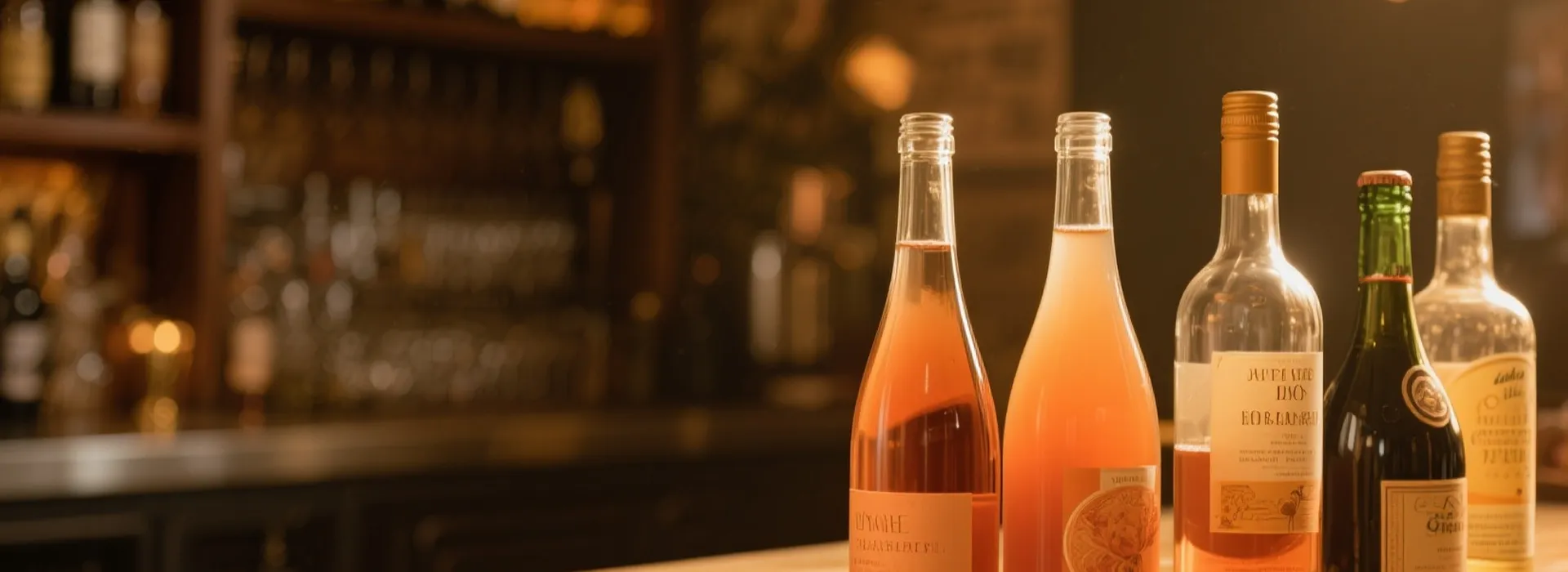
Discover our collection of ready-to-go glass bottles, crafted for a perfect fit
 09:00
09:00 Published: August 18, 2026
Spirits glass bottles are one of the most critical packaging assets for international liquor brands. As craft distilleries, private label operators and export-oriented liquor companies expand into overseas markets, the requirements for spirits glass bottles are becoming more professional. Appearance design alone is no longer enough. Global buyers now evaluate spirits glass bottles according to material safety, sealing performance, export packaging, certification and supply chain stability.
Choosing qualified spirits glass bottles helps brands reduce breakage, avoid customs problems, improve shelf appeal and create a more reliable impression with overseas customers. For importers and distributors, understanding the main standards of export-grade spirits glass bottles is essential for making stable and cost-effective purchasing decisions.
Food-grade safety is the first standard for export spirits glass bottles. Bottles that come into direct contact with alcohol must be made from stable, high-quality glass materials. High-white glass is widely used for mid-to-high-end spirits glass bottles because it offers good transparency, low impurity content and stable chemical properties.
Buyers should confirm whether spirits glass bottles meet the food contact material requirements of their target markets. Different countries and regions have their own regulations, so suppliers should provide test reports and relevant documentation before mass production. Inferior glass may cause quality problems such as bubbles, stains or precipitation inside the bottle, which can damage brand reputation and lead to customs rejection.
Sealing performance is one of the most important indicators for export spirits glass bottles. During long-distance sea transportation, bottles are exposed to vibration, temperature changes and repeated loading and unloading. If the bottle neck, cap and stopper do not match properly, leakage may occur.
Qualified spirits glass bottles usually go through strict leak testing before shipment. Professional glass manufacturers provide matching stoppers, screw caps and other sealing accessories together with spirits glass bottles. Experienced importers test samples in advance rather than checking only the external appearance of spirits glass bottles.
Export spirits glass bottles need stronger physical durability than ordinary domestic packaging. The walls and bottom of the bottle should be thick and uniform to reduce the risk of breakage during international shipping.
Many premium spirits glass bottles use heavy bases and solid neck structures. These designs improve the bottle’s resistance to drops and bumps while creating a sense of quality. For importers, durability directly affects breakage rates, logistics costs and customer satisfaction.
Standard spirits glass bottles can meet basic packaging needs, but custom-shaped spirits glass bottles help brands create stronger market recognition. Custom options include exclusive silhouettes, embossed logos, curved bodies, thick heavy bases and special neck structures.
In recent years, glass manufacturers have improved custom mould services and reduced minimum order quantities. This allows small craft distilleries and new private label brands to develop personalized spirits glass bottles without very large initial investments. Custom spirits glass bottles are particularly effective for brands entering competitive duty-free stores, supermarkets and e-commerce markets.
Sustainability has become an important part of global procurement. More international retailers and liquor brands are requiring suppliers to provide spirits glass bottles made from recycled materials.
Recycled spirits glass bottles reduce raw material consumption and lower carbon emissions during production. Glass can be recycled many times without losing quality, making it one of the most environmentally friendly packaging materials for premium spirits.
Lightweight spirits glass bottles are also becoming more popular. Optimized thin-wall structures reduce the total weight of the bottle while maintaining sufficient strength. This helps importers lower logistics costs, reduce breakage and improve the overall sustainability of the supply chain.
Even if spirits glass bottles are produced well, poor export packaging can cause serious damage at sea. Professional glass suppliers use protective packaging materials, sturdy cartons and reliable pallet structures to prevent bottles from colliding with each other.
Buyers should confirm the packaging method before ordering spirits glass bottles. For ocean freight, it is important to use suitable cartons, separators, padding and pallet protection. Clear shipping marks and handling instructions can also reduce logistics errors and improve cargo safety.
Importing spirits glass bottles requires more than product quality. Buyers also need reliable documentation and after-sales support. Suppliers should provide material test reports, product specifications, sealing solutions and clear quality standards.
Before placing bulk orders, importers should check sample quality, decoration effects, leak resistance and drop resistance. It is also important to confirm payment terms, production lead time, shipping arrangements and compensation policies for damaged goods.
Many new buyers focus only on price and bottle appearance. They may ignore important details such as neck tolerance, glass weight, sealing performance and export packaging. These mistakes can cause delays, breakage and unexpected costs after bulk production.
To avoid problems, buyers should confirm all dimensions before production. These include bottle height, body width, neck inner diameter, net weight and cap compatibility. Sample testing is a necessary step before ordering large quantities of spirits glass bottles.
In the future, global demand for spirits glass bottles will continue to grow. The main purchasing standards will focus on four areas: safety, customization, sustainability and supply chain efficiency.
As more craft distilleries and private label brands enter international markets, demand for high-quality spirits glass bottles will remain strong. Importers who understand export standards and build long-term cooperation with reliable glass manufacturers will gain stable competitive advantages in the global liquor packaging market.
We will reply you within 24 hours. If for urgent case, please add WhatsApp/WeChat: +86 13206376935,. Or call +86 13206376935 directly.
*We respect your confidentiality and all information are protected.
We will only use your information to respond to your inquiry and will never send unsolicited emails or promotional messages.

