


Exquisitely crafted premium spirit glass bottles
Date: September 10, 2026
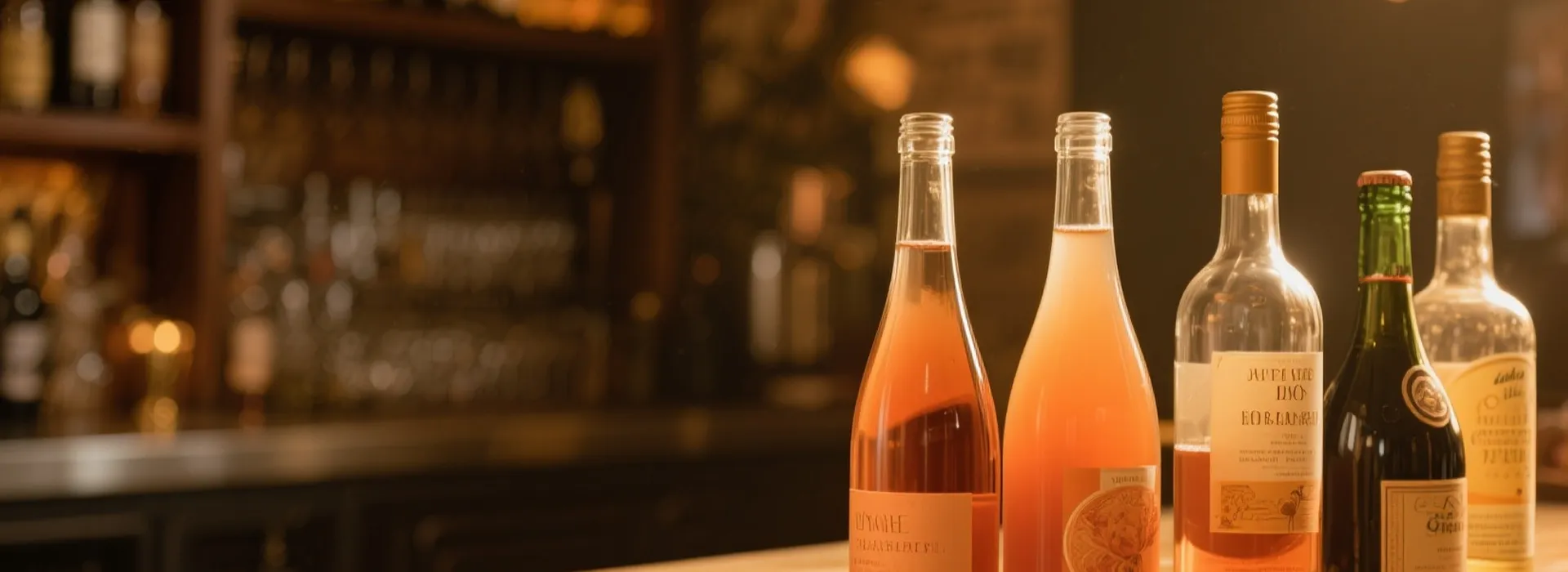
Discover our collection of ready-to-go glass bottles, crafted for a perfect fit
 09:04
09:04 Published: September 12, 2026
Spirits glass bottles have become more than simple containers for distilled alcohol. For premium whisky, brandy, rum, gin and tequila brands, the surface finish of a glass bottle is now a visible part of brand identity.
Modern decoration technologies allow manufacturers to turn spirits glass bottles into independent branding tools. Frosted surfaces, subtle embossing, silk-screen printing, hot stamping and coloured finishes can improve shelf appeal, reinforce brand recognition and reduce dependence on outer boxes.
Frosted spirits glass bottles remain one of the most popular decoration choices in 2026. The matte surface reduces strong reflections and creates a soft, refined appearance. Unlike clear glass, frosted spirits glass bottles also hide minor scratches and fingerprints, making them suitable for premium product lines.
Frosting can be applied to the entire bottle or limited to specific areas. Partial frosting allows brands to combine transparent and matte effects on the same bottle. This approach is widely used for whisky, gin and premium liqueur glass bottles.
Embossing creates raised patterns or logos directly on spirits glass bottles. This decoration method gives consumers a tactile experience that printed labels cannot provide. Subtle embossing is especially popular for premium spirits glass bottles because it looks restrained and elegant.
Deep embossing requires careful glass thickness control. If the pattern is too deep, it may cause uneven wall thickness or deformation during production. Experienced glass manufacturers usually test embossed spirits glass bottles before bulk orders to ensure stable mass production.
Silk-screen printing is one of the most practical decoration methods for spirits glass bottles. It allows brands to apply logos, patterns and product information directly onto the glass surface. This method is suitable for both large and small batches of spirits glass bottles.
One advantage of silk-screen printing is its flexibility. Brands can use different colours, fonts and graphic layouts without changing the bottle mould. For distilleries and importers, this reduces production costs and shortens the development cycle.
Hot stamping uses heat and pressure to transfer metallic or coloured foil onto spirits glass bottles. It is commonly used for brand logos, bottle necks and limited-edition patterns. The reflective finish creates a strong premium visual effect.
Hot stamping is often combined with frosting and silk-screen printing. A frosted spirits glass bottle with a small metallic detail can look more luxurious than a fully decorated bottle. Many premium whisky and brandy brands use this combination to maintain a clean and sophisticated appearance.
Colour spraying allows manufacturers to cover spirits glass bottles with a uniform coloured layer. This method is widely used for gin, vodka, tequila and craft spirit brands that need strong shelf recognition.
Modern colour-sprayed spirits glass bottles use scratch-resistant and food-safe coatings. The finish can be matte, semi-gloss or glossy. Although full-colour decoration makes bottles more visible, many brands are moving toward restrained dark colours and small graphic areas to avoid a cheap appearance.
Many premium spirits brands are reducing complex decorations on glass bottles. Over-decorated bottles can look outdated and may require more outer packaging. Excessive patterns and colours also make it difficult to maintain a premium brand image.
The current trend focuses on minimal decoration. Brands prefer subtle details such as a small logo, a narrow metallic line or a limited frosted area. Clean spirits glass bottles allow the product to become the main visual focus.
Different decoration methods have different requirements for glass surfaces. Frosting, silk-screen printing and hot stamping may require specific surface treatments. If the compatibility is poor, the decoration may peel off or change appearance after long-term contact with alcohol.
Before bulk production, buyers should arrange physical sample testing. It is important to check adhesion, scratch resistance, alcohol resistance and decoration durability. This step is especially necessary for spirits glass bottles exported to overseas markets.
Sustainability is also influencing spirits glass bottle decoration. Water-based inks, low-VOC coatings and recyclable materials are becoming standard requirements for many international brands.
These environmentally friendly materials can reduce the environmental impact of spirits glass bottles without changing appearance. As green procurement standards become stricter, decoration methods will continue to become cleaner and more efficient.
In the future, spirits glass bottle decoration will become more precise, flexible and sustainable. Frosting, subtle embossing, silk-screen printing, hot stamping and colour spraying will remain the main technologies, but brands will use them more selectively.
The strongest trend is simpler, more restrained decoration. Premium spirits glass bottles will rely on bottle shape, material quality and a small number of high-quality details rather than complex patterns. Brands that balance creativity, durability and sustainability will have stronger advantages in the global market.
We will reply you within 24 hours. If for urgent case, please add WhatsApp/WeChat: +86 13206376935,. Or call +86 13206376935 directly.
*We respect your confidentiality and all information are protected.
We will only use your information to respond to your inquiry and will never send unsolicited emails or promotional messages.

